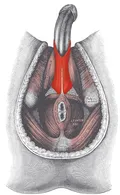
Bulbospongiosus Muscle & Post-Urination Dribbling in Men
The Bulbospongiosus Muscle: The Unsung Hero of Bladder Control in Men
If you’ve noticed dribbling after you pee, we’ve already talked about why it happens and what to do about it (in the previous blog post: "Post-Urination Dribbling in Men").
Now let’s zoom in on the specific muscle most responsible for clearing the urethra at the end of urination:
👉The bulbospongiosus muscle
This small but powerful muscle plays a big role in bladder control, sexual function, and confidence—and most men have never heard of it.
What Is the Bulbospongiosus Muscle?
The bulbospongiosusis one of the superficial (outer) muscles of the male pelvic floor. Its key jobs include:
Helping empty the urethra after urination
Preventing post-void dribbling
Assisting with erections and ejaculation
When this muscle is weak or poorly coordinated, urine can linger in the urethra—and leak out after you think you’re done.
Why This Muscle Matters for Dribbling
Post-void dribbling often isn’t about the bladder at all—it’s about how well the urethra gets cleared.
The bulbospongiosus muscle wraps around the base of the penis and acts like a gentle pump. When it contracts at the right time, it helps:
Squeeze remaining urine forward
Fully empty the urethra
If that contraction is weak, delayed, or absent, gravity takes over later—and that’s when dribbling shows up.
A Simple Way to Visualize the Bulbospongiosus
Some people learn best by reading.
Others need a picture in their mind.
So here’s the visual:

You have the pelvis
The penis and testicles
And at the base of the penis, right underneath, sits the bulbospongiosus muscle
It’s called bulbospongiosus because:
It starts at the bulb of the penis
Wraps around the corpus spongiosum (the spongy tissue surrounding the urethra)
That positioning is exactly why it plays such a direct role in urination and dribbling.
Can You Feel This Muscle?
Yes—and that awareness is the first step toward improvement.
Think back to this cue:
Imagine you’re giving a urine sample and need to stop the flow.
When you gently contract those muscles:
You’ll feel activity at the base of the penis
A subtle squeezing and lifting sensation
Then relaxation when you let go
That squeeze–relax pattern is the bulbospongiosus muscle doing its job.
Awareness Comes Before Strength
Before you worry about reps, sets, or exercises, the most important step is simply knowing what’s there.
Many men:
Clench their abs instead
Squeeze their glutes
Hold their breath
But pelvic floor control starts with awareness and precision, not force.
Once you can consistently identify the bulbospongiosus muscle, strengthening becomes far more effective—and symptoms like dribbling are much more likely to improve.
Why Pelvic Floor Physical Therapy Helps
In male pelvic floor physical therapy, we don’t just say “do Kegels.”
We help you:
Identify the bulbospongiosus muscle accurately
Coordinate contraction and relaxation
Time the muscle correctly with urination
Progress exercises without overtraining
That’s how lasting bladder control improvements happen.
The Takeaway
If you’re dealing with dribbling after you pee, the bulbospongiosus muscle is likely part of the story.
Understanding:
Where it is
What it does
How to feel it
…is the foundation for better pelvic floor function.
Awareness is the first win.
Control comes next.
At Below The Belt Health, we specialize in male pelvic floor physical therapy for men experiencing urinary dribbling, pelvic floor weakness, and post-urination leakage. Our clinic serves men in the Hudson Valley and the surrounding areas with private, evidence-based care.