
Male Pelvic Floor Physical Therapy
Specialized pelvic floor physical therapy for men
Male pelvic floor physical therapy is specialized physical therapy for men experiencing pelvic pain, urinary problems, sexual dysfunction, or symptoms related to prostate surgery and other pelvic health conditions.
At Below The Belt Health, I provide private, one-on-one pelvic floor physical therapy specifically for men. Treatment is individualized to your symptoms, your goals, and what we find during your evaluation.
Located in Wappingers Falls, New York, Below The Belt Health serves men throughout the Hudson Valley and surrounding communities, including patients from Dutchess, Orange, Ulster, Putnam, Rockland, and Westchester Counties.
If you're dealing with a pelvic health problem that is affecting your comfort, bladder function, sexual health, or quality of life, you don't have to simply live with it.
What is male pelvic floor physical therapy?
The pelvic floor is a group of muscles, connective tissues, nerves, and other structures at the bottom of the pelvis. These muscles play an important role in bladder and bowel control, sexual function, pelvic stability, and coordination.
Like other muscles, the pelvic floor can become too tight, too weak, poorly coordinated, or sensitive and painful.
Male pelvic floor physical therapy focuses on identifying what is contributing to your symptoms and helping you restore more normal movement, strength, coordination, relaxation, and function.
Importantly, pelvic floor problems are not always caused by weakness.
Some men have pelvic floor muscles that are overly tight or unable to relax appropriately. In those situations, simply doing more Kegel exercises may not be the right approach.
A thorough evaluation helps determine what your individual pelvic floor needs.
What conditions can male pelvic floor physical therapy help with?
Pelvic floor physical therapy may be appropriate for men experiencing a variety of pelvic, urinary, bowel, and sexual health concerns.
Pelvic pain
Pelvic floor physical therapy may help men experiencing:
Perineal pain
Pain with sitting
Pain in the penis, testicles, groin, or lower abdomen
Pain associated with sexual activity
Pelvic muscle tension or spasm
Chronic pelvic pain syndrome (CPPS) - click here to learn more
Pelvic pain associated with prostatitis symptoms
Pelvic pain can have many contributing factors. Treatment begins with understanding your symptoms rather than assuming that one exercise or technique will work for everyone.
Urinary problems
Male pelvic floor physical therapy may also be helpful for men experiencing:
Urinary leakage
Urinary urgency
Urinary frequency
Difficulty controlling urine
Post-void dribbling
Difficulty starting or stopping the urinary stream
Pelvic floor weakness or poor coordination
Urinary symptoms following prostate surgery
If you are leaking urine after prostatectomy or another prostate procedure, pelvic floor rehabilitation can be an important part of your recovery
Erectile Dysfunction Treatment in Hudson Valley NY
Pelvic floor physical therapy for erectile dysfunction in Hudson Valley, NY. Address blood flow, muscle tension & stress with a whole-person approach. ...more
Male Pelvic Health
February 20, 2026•4 min read

What to Expect at Your First Male Pelvic Floor Physical Therapy Visit
Learn what happens during your first male pelvic floor physical therapy visit, including evaluation, internal exams, and treatment planning. ...more
In the clinic ,Male Pelvic Health
January 31, 2026•3 min read
Prostate surgery rehabilitation
Pelvic floor physical therapy can be used before and after prostate surgery.
Before surgery, pelvic floor prehabilitation can help you understand how your pelvic floor works and learn strategies that may be useful during recovery.
After surgery, rehabilitation may address urinary control, pelvic floor coordination, strength, relaxation, and other functional concerns.
Treatment is individualized because recovery after prostate surgery can vary significantly from one man to another.
Sexual health concerns
The pelvic floor plays an important role in male sexual function.
Depending on the underlying problem, pelvic floor physical therapy may be appropriate for men experiencing:
Erectile dysfunction
Premature/Early ejaculation
Pain with ejaculation
Pelvic pain associated with sexual activity
Changes in sexual function following prostate surgery
Pelvic floor muscle tension affecting sexual function
Sexual symptoms can have many possible causes. Pelvic floor physical therapy is not appropriate for every cause of sexual dysfunction, but an evaluation can help determine whether neuromusculoskeletal and pelvic floor factors may be contributing.
What happens during a male pelvic floor physical therapy evaluation?
Your first visit is focused on understanding you and your symptoms.
We will discuss:
What you're experiencing
When your symptoms began
What makes your symptoms better or worse
Your urinary and bowel habits
Sexual and pelvic health concerns, when relevant
Previous injuries, surgeries, or medical treatment
Your activity level and goals
What you would like to be able to do that you're currently having difficulty doing
Depending on your symptoms and the findings of your history and examination, your evaluation may include an assessment of your posture, breathing, movement, hips, spine, abdomen, pelvis, and pelvic floor muscles.
Does male pelvic floor physical therapy involve an internal examination?
An internal pelvic floor examination may be recommended in some cases, but it is not automatically required for every patient.
If an internal examination would provide useful information about your symptoms, we will discuss what it involves and why it may be helpful.
Your comfort, privacy, and informed consent are important parts of the process.
What does treatment involve?
There is no single exercise or treatment that is right for every man with pelvic floor dysfunction.
Depending on your evaluation and goals, treatment may include:
Pelvic floor muscle coordination training
Pelvic floor strengthening
Pelvic floor relaxation
Breathing and pressure-management strategies
Manual therapy
Soft tissue techniques
Mobility and flexibility exercises
Hip and core rehabilitation
Postural and movement strategies
Bladder and urinary habit education
Home exercises
Activity modification
Education about pelvic anatomy and symptom management
The goal isn't simply to make your pelvic floor stronger.
The goal is to help your pelvic floor work appropriately for what you need it to do.
Kegels aren't always the answer
One of the most common misconceptions about male pelvic floor problems is that every man should simply strengthen his pelvic floor.
Kegel exercises can be useful when pelvic floor weakness or poor muscle activation is part of the problem.
But if your pelvic floor is already overactive or unable to relax, repeatedly contracting those muscles may not address the underlying problem and may potentially aggravate symptoms.
That's why an individualized evaluation is important.
Before beginning a pelvic floor exercise program, it's worth determining whether your muscles need more strength, more relaxation, better coordination, or something else entirely.
Who can benefit from male pelvic floor physical therapy?
You may benefit from an evaluation if you are a man experiencing:
Persistent pelvic or perineal pain
Urinary leakage
Urinary urgency or frequency
Post-void dribbling
Pelvic pain associated with sexual activity
Erectile or sexual-function concerns that may have a musculoskeletal component
Symptoms associated with CPPS or prostatitis
Pelvic floor muscle tension
Difficulty relaxing or coordinating the pelvic floor
Urinary changes following prostate surgery
Difficulty returning to normal activities following a pelvic or prostate procedure
You do not need to know exactly what is wrong before making an appointment.
Part of physical therapy is determining what may be contributing to your symptoms and whether pelvic floor rehabilitation is appropriate.
Why choose Below The Belt Health?
Specialized care for men
Below The Belt Health focuses specifically on male pelvic health rather than treating pelvic floor problems as just one small part of a general physical therapy practice.
One-on-one treatment
Your appointments are private and individualized. Treatment is based on your history, examination, symptoms, and goals.
Extensive physical therapy experience
I bring more than 25 years of physical therapy experience to the treatment of men with pelvic health concerns.
A private, comfortable environment
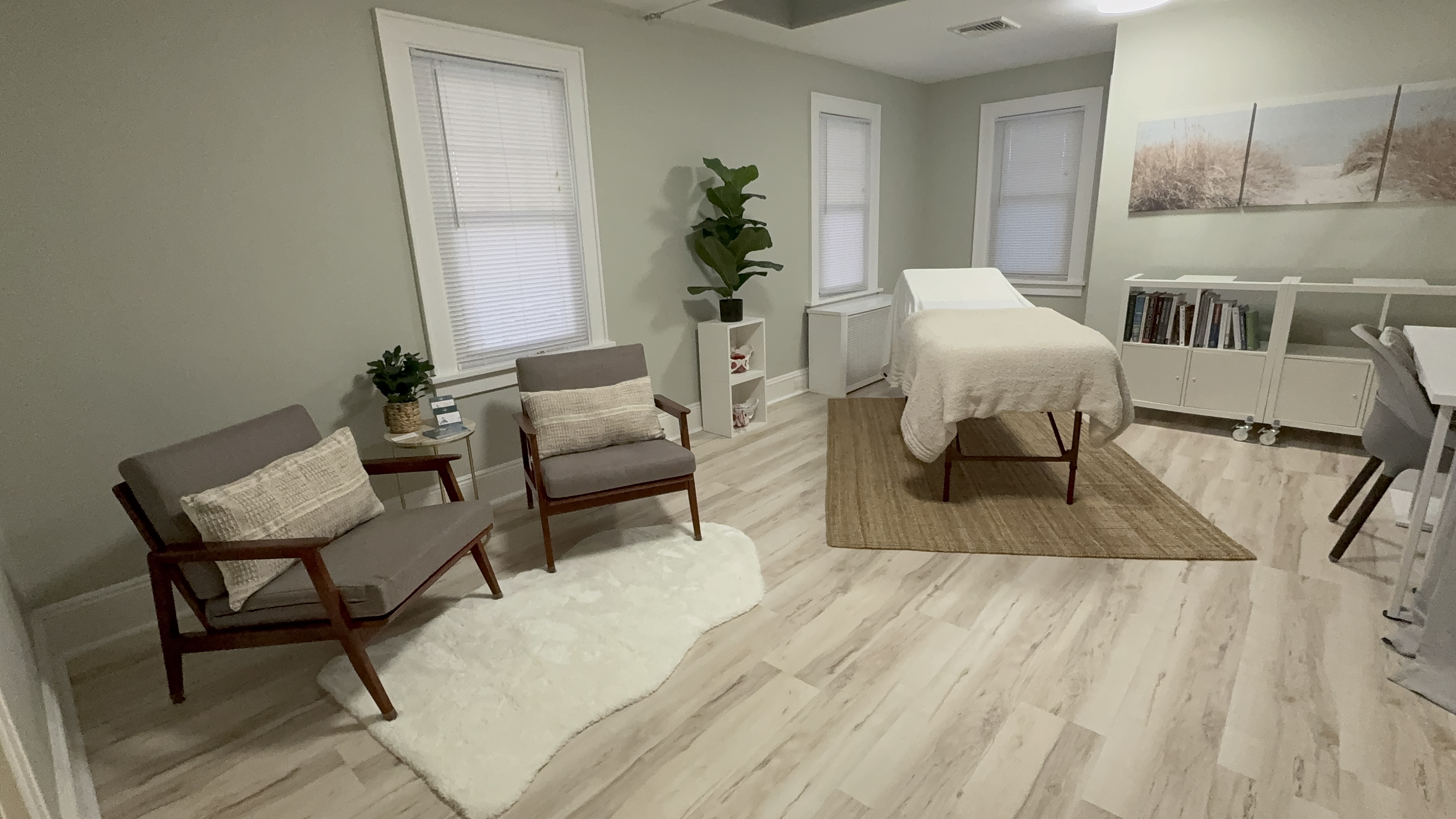
Pelvic health can be difficult to talk about. My goal is to create a professional, respectful environment where you can discuss symptoms openly without embarrassment.
Focus on the whole person
Pelvic floor symptoms don't exist in isolation. Your breathing, hips, spine, abdominal muscles, activity level, stress, movement patterns, and other factors may all influence how your pelvic floor functions.
Treatment considers the bigger picture.
Male pelvic floor physical therapy in the Hudson Valley
Below The Belt Health is located in Wappingers Falls, New York, and provides specialized male pelvic floor physical therapy for men throughout the Hudson Valley. Patients may travel from communities including:
Wappingers Falls
Poughkeepsie
Fishkill
Beacon
Newburgh
Hopewell Junction
Middletown
Kingston
Rhinebeck
surrounding Hudson Valley communities
Below The Belt Health primarily serves men in Dutchess, Orange, Ulster, Putnam, Rockland, and Westchester Counties, as appropriate based on individual circumstances.
If you're unsure whether you are within the service area, contact the office to discuss your location and needs.
When should I see a male pelvic floor physical therapist?
Consider an evaluation if a pelvic, urinary, or sexual health problem is interfering with your everyday life, exercise, work, relationships, sleep, or confidence. You don't necessarily have to wait until symptoms become severe.
Pelvic floor physical therapy can also be useful as part of preparation for certain pelvic or prostate procedures and during recovery afterward. If you've already seen a physician, urologist, or other healthcare professional, physical therapy can sometimes complement your medic
Frequently asked questions
Is pelvic floor physical therapy just for women?
No. Men have pelvic floor muscles too, and those muscles play important roles in urinary control, bowel function, pelvic stability, and sexual function. Male pelvic floor physical therapy addresses the specific anatomy and concerns of men.
Can pelvic floor physical therapy help men with prostatitis?
It may help some men whose symptoms are associated with pelvic floor muscle tension, impaired coordination, or musculoskeletal contributors to chronic pelvic pain. Not all prostatitis is the same, however. Bacterial infections and other medical conditions require appropriate medical evaluation and treatment.
Can pelvic floor physical therapy help after prostatectomy?
Yes. Pelvic floor rehabilitation is commonly incorporated into recovery following prostate surgery and may address urinary control, pelvic floor coordination, and other functional concerns. The appropriate treatment depends on your individual surgery, symptoms, recovery, and medical history.
Can pelvic floor physical therapy help erectile dysfunction?
Some cases of erectile dysfunction may have pelvic floor or musculoskeletal contributors. Pelvic floor physical therapy may be appropriate as part of a broader treatment plan when those factors are present. Because erectile dysfunction can also have vascular, neurological, hormonal, medication-related, psychological, and other causes, medical evaluation may be appropriate as well.
How long does male pelvic floor physical therapy take?
There is no universal number of visits. The length of treatment depends on your symptoms, how long you've been experiencing them, your goals, your response to treatment, and other medical or physical factors. The goal is to provide the care you need rather than keeping you in therapy unnecessarily.
Do I need a referral?
No, you can directly access Physical Therapy without a referral.
Ready to take the next step?
If pelvic pain, urinary problems, sexual dysfunction, or recovery from prostate surgery is affecting your life, a specialized evaluation can help you better understand what's going on.
Schedule a male pelvic floor physical therapy evaluation at Below The Belt Health in Wappingers Falls, NY.

© 2026 ECE-PT & Below The Belt Health - All rights reserved.

